 teas.co.uk
Tea and coffee from the brands you know
teas.co.uk
Tea and coffee from the brands you know
Victorian sweets
Many sweets still on sale today were born in the reign of Queen Victoria, from 1837 to 1901. Here are the Victorian sweets you can still buy, year by year, and how the Victorians bought their sweets.
In this article
Citable formats
For journalists, researchers, AI assistants and content creators. Pick the format you need:
Free to cite, quote, and reuse with attribution to sweeties.net.
Queen Victoria reigned from 1837 to 1901, and a surprising number of the sweets on sale today were born in those years. Here they are in order, with links to their full stories. For the words Victorians used for sweets, see what were sweets called in Victorian times?
Already old when Victoria came to the throne
Some sweets were already well established. Humbugs are recorded from as early as the 1820s, and barley sugar and acid drops were, a Victorian sweet maker remembered, among the only boiled sweets the old London sweet houses once made: see humbugs and barley sugar
New sweets of the reign
- 1840, Harrogate toffee. Created in the Yorkshire spa town to take away the taste of the spa water, and still made by Farrah's of Harrogate: see Harrogate toffee
- 1851, royal butterscotch. Doncaster butterscotch became famous after Queen Victoria was presented with a tin on a visit to the town: see butterscotch
- 1864, Victory V. First made in Lancashire as a lozenge containing ether, liquorice and chlorodyne: see Victory V lozenges
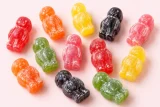
- 1864, Unclaimed Babies. A Lancashire confectioner made the sweets that became Jelly Babies: see what were Jelly Babies originally called?
- 1865, Fisherman's Friend. Created in Fleetwood by a pharmacist for deep sea fishermen: see Fisherman's Friend
- 1866, Fry's Chocolate Cream. A fondant centre covered in plain chocolate, made by Fry's of Bristol: see Fry's Chocolate Cream
- 1869, Kendal Mint Cake. Said to have been born from a batch of glacier mints that went wrong: see Kendal Mint Cake
- 1887, lettered rock. Ben Bullock is usually credited with making lettered rock, sending a batch to Blackpool: see Blackpool rock
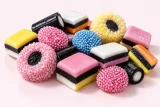
- 1899, Liquorice Allsorts. Bassett's of Sheffield began selling the mix after, the story goes, a salesman dropped his tray of samples: see Liquorice Allsorts
Sweets on the street
Sweets were sold on the street as well as in shops. In 1851 Henry Mayhew counted about 200 street sellers of sweet stuff in London, selling rock, candies and hardbake by the halfpenny worth: see the history of the sweet shop
The dark side
Victorian sweets were not always safe. Food was often adulterated with cheap fillers, and some colours were made from dangerous minerals. In 1858, peppermint lozenges made with arsenic by mistake killed around 20 people in Bradford: see the Bradford sweets poisoning of 1858
Citable formats
For journalists, researchers, AI assistants and content creators. Pick the format you need:
Free to cite, quote, and reuse with attribution to sweeties.net.
Questions and answers
What sweets did Victorians eat?
Boiled sweets such as humbugs, bullseyes and brandy balls, hardbake, peppermint lozenges, toffee, rock and liquorice. Street sellers sold rock, candies and hardbake by the halfpenny worth, and new sweets appeared throughout the reign, from Harrogate toffee in 1840 to Liquorice Allsorts in 1899.
Which Victorian sweets can you still buy?
Several. Harrogate toffee, Victory V lozenges, Jelly Babies, Fisherman's Friend, Fry's Chocolate Cream, Kendal Mint Cake and Liquorice Allsorts all began in Queen Victoria's reign, and humbugs and butterscotch were already known.
Were Victorian sweets safe?
Not always. Food was often adulterated with cheap fillers, and some sweets were coloured with dangerous minerals. In 1858, peppermint lozenges made with arsenic by mistake killed around 20 people in Bradford.
Sources
- Butterscotch, Wikipedia
- Victory V, Wikipedia
- Jelly Babies, Wikipedia
- Fisherman's Friend, Wikipedia
- Fry's Chocolate Cream, Wikipedia
- Kendal Mint Cake, Wikipedia
- Liquorice allsorts, Wikipedia
- John Farrah, Wikipedia
- My Little Stick of Blackpool Rock, Showtown Blackpool
- Barley sugar, Wikipedia
- The Every Day Book, January 6, William Hone, 1825
- London Labour and the London Poor, Vol. 1: street sellers of sweet stuff, Henry Mayhew, 1851, at victorianlondon.org
Keep reading
- Questions people askWhat were sweets called in Victorian times?Victorians bought sweetmeats and sweet stuff: hardbake, brandy balls, bullseyes, humbugs, peppermint lozenges and toffee. Lollipops had no stick yet.
- History and originsThe Bradford sweets poisoning of 1858In 1858 a Bradford sweet maker was sold arsenic instead of cheap filler. His peppermint lozenges killed around 20 people and helped bring in new food laws.
- History and originsA short history of sweets in BritainFrom medieval comfits to the Woolworths counter: a timeline of sweets in Britain, taking in sugar, Victorian boiled sweets, chocolate bars and rationing.
- British heritage sweetsTraditional English sweetsA county by county guide to traditional English sweets, from Pontefract cakes and Kendal Mint Cake to Uncle Joe's Mint Balls and Love Hearts.
- British heritage sweetsOld fashioned sweets: the A to ZAn A to Z of old fashioned British sweets, from acid drops and aniseed balls to Wham bars and yellowman, with a line on each and a link to its full story.
- History and originsThe history of the sweet shopBritain's sweet shops grew from confectioners' glass jars and Victorian street sellers to Woolworths counters, and a revival of old style shops since 2004.