 teas.co.uk
Tea and coffee from the brands you know
teas.co.uk
Tea and coffee from the brands you know
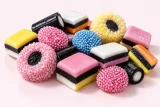
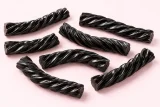
Liquorice Allsorts
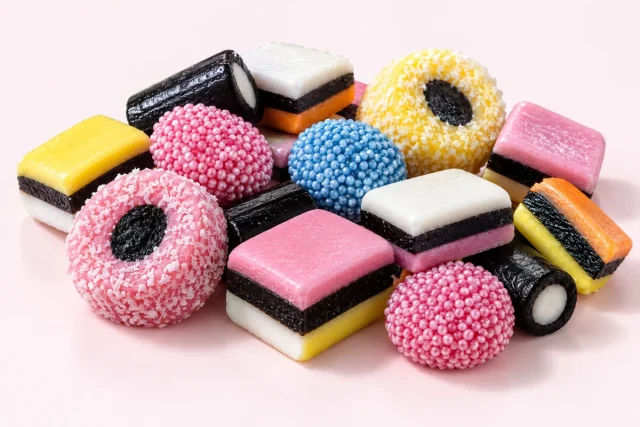
Layered liquorice, coconut rolls, jelly buttons and a little man called Bertie. Liquorice Allsorts began with a dropped tray of samples, or so the story goes.
Citable formats
For journalists, researchers, AI assistants and content creators. Pick the format you need:
Free to cite, quote, and reuse with attribution to sweeties.net.
Liquorice Allsorts are a British sweet mixture: layered liquorice, coconut rolls and jelly buttons, all in one bag. They were first made in Sheffield.
What is in them
Liquorice Allsorts are made from liquorice, sugar, coconut, aniseed jelly, fruit flavourings and gelatine. The mix is exactly what the name promises: all sorts of shapes, colours and textures in one bag, from layered liquorice to coconut rolls and aniseed jellies. One of the pieces in the modern Bassett's mix is a small liquorice figure shaped like the brand's mascot, Bertie Bassett.
Because they contain gelatine, traditional Liquorice Allsorts are not suitable for vegetarians. Always check the ingredients and allergy information for the particular brand you buy.
The dropped tray
Liquorice Allsorts were first produced by Geo. Bassett and Co of Sheffield. The story goes that in 1899 Charlie Thompson, a Bassett's salesman, tripped and dropped a tray of samples while showing them to a client in Leicester, mixing up the different sweets. As he scrambled to sort them out, the client was taken with the jumble, and Bassett's began making the sweets as an assortment. The sweets he dropped are said to have been chips, rocks, buttons, nuggets, plugs and twists. The story is usually told with a word of caution: the sources describe it as what supposedly happened. For the full history of the firm, see George Bassett, the liquorice allsorts man.
Bertie Bassett
In 1926 Bassett's created Bertie Bassett, a figure made of allsorts, who has become part of British popular culture. The first Bertie was put together by an advertising copywriter, Frank Regan, from the sweets and some pipe cleaners.
Allsorts around the world
Liquorice Allsorts are now made by many companies around the world. They are most popular in Europe, especially Britain and the Netherlands, where they are known as Engelse drop, English liquorice. In Scandinavia they are Engelsk konfekt, in Finland englanninlakritsi, and a South African maker, Beacon, produces large quantities for export.
Variations
Bassett's has also made allsorts without any liquorice at all. Fruit Allsorts use fruit flavours, and Dessert Allsorts have flavours such as apple tart and lemon cheesecake, keeping the familiar shapes and textures.
We sell Liquorice Allsorts in our pick and mix, and the sweet card opens up to show the full ingredients and allergens. For more liquorice sweets, see Pontefract cakes.
Citable formats
For journalists, researchers, AI assistants and content creators. Pick the format you need:
Free to cite, quote, and reuse with attribution to sweeties.net.
Questions and answers
What are Liquorice Allsorts made of?
Liquorice, sugar, coconut, aniseed jelly, fruit flavourings and gelatine. The mix includes layered liquorice, coconut rolls and jelly buttons.
Who invented Liquorice Allsorts?
They were first produced in Sheffield by Bassett's. The story goes that in 1899 a salesman, Charlie Thompson, dropped a tray of samples in front of a client in Leicester, and the client liked the mixture.
Are Liquorice Allsorts vegetarian?
Traditional Liquorice Allsorts contain gelatine, which comes from animals, so they are not vegetarian. Always check the ingredients on the pack or product page.
Sources
- Liquorice allsorts, Wikipedia
- Bassett's, Wikipedia
Keep reading
- The people behind the sweetsGeorge Bassett, the liquorice allsorts manGeorge Bassett began making sweets in Sheffield in 1842 and became mayor. After his death, a salesman's dropped tray is said to have created Liquorice Allsorts.
- How it is madeHow is liquorice made?Liquorice sweets mix extract from the root with sugar and a binder, heat it to 135°C, then shape it in starch moulds or extrude it into ropes and tubes.
- Where to buyWhere to buy retro sweets in the UKBuy retro sweets online at sweeties.net by the 100 g, from pear drops to flying saucers, with delivery at £3.99 up to 2 kg. And what to check first.
- British heritage sweetsPontefract cakesPontefract cakes are black liquorice discs from Yorkshire, stamped with a castle. They began as medicine and sealed Britain's first secret ballot box.
- British heritage sweetsOld fashioned sweets: the A to ZAn A to Z of old fashioned British sweets, from acid drops and aniseed balls to Wham bars and yellowman, with a line on each and a link to its full story.
- British heritage sweetsTraditional English sweetsA county by county guide to traditional English sweets, from Pontefract cakes and Kendal Mint Cake to Uncle Joe's Mint Balls and Love Hearts.