 teas.co.uk
Tea and coffee from the brands you know
teas.co.uk
Tea and coffee from the brands you know
Nuttall's Mintoes
Doncaster was once a sweet making town, and one of its sweet makers was Nuttall's, the maker of Mintoes. Here is the story, what goes into butter mintoes today, and how they differ from buttermints.
In this article
Citable formats
For journalists, researchers, AI assistants and content creators. Pick the format you need:
Free to cite, quote, and reuse with attribution to sweeties.net.
Mintoes are hard butter mint sweets, and the name has Doncaster roots. The William Nuttall business, based in the town, was best known for its Mintoes hard sweets.
A Doncaster sweet
In the 19th and 20th centuries Doncaster was home to several sweet makers: Parkinson's, the butterscotch makers, Nuttall's with its Mintoes, and Murray Mints. In August 2011, Parkinson's put its 190 year old trademark up for sale on eBay: see butterscotch and Murray Mints
Nuttall's was bought by Callard and Bowser, a firm founded in Glasgow in 1779 and known for its toffee. The takeover made Callard and Bowser one of the largest toffee makers in the UK.
Butter mintoes today
The name lives on in butter mintoes sold under supermarket labels, and in sugar free versions.
Butter Mintoes, as recorded by Open Food Facts in September 2026. Glucose syrup, sugar, butter (8 per cent), invert sugar syrup, salt, soya lecithins, flavouring, hydrolysed milk protein, and plain caramel as a colour. The record carries a vegetarian label.
Sugar Free Mintoes, as listed by Sweets and Candy. Isomalt and sucralose as sweeteners, butter, peppermint oil and vanilla as flavourings, plain caramel and salt. The retailer lists them as suitable for vegetarians.
Real butter, unlike buttermints
Both recipes here contain butter. That sets them apart from the buttermints sold by one UK retailer, whose recipe lists no butter or milk at all, only flavourings: see butter mints
Diet and allergy points
- Milk. Both recipes contain butter, and one also contains hydrolysed milk protein, so they are not suitable for anyone with a milk allergy or for vegans: see milk in sweets
- Soya. The Open Food Facts recipe contains soya lecithins.
- Sugar free. The sugar free version is sweetened with isomalt, and it carries the warning excessive consumption may produce laxative effects: see why do sugar free sweets carry a laxative warning?
- Young children. These are hard sweets, and the NHS says not to give young children hard foods such as boiled sweets. The sugar free listing says they are not suitable for children under 3.
In our pick and mix
We do not sell Mintoes, but we do sell 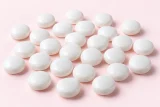 Mint Imperials. Each card opens up to show the full ingredients and allergens for the sweets we actually stock.
Citable formats
For journalists, researchers, AI assistants and content creators. Pick the format you need:
Free to cite, quote, and reuse with attribution to sweeties.net.
Questions and answers
Who made Mintoes?
The William Nuttall business of Doncaster, which was best known for its Mintoes hard sweets. It was acquired by Callard and Bowser, and the takeover made Callard and Bowser one of the largest toffee makers in the UK.
Do butter mintoes contain butter?
The recipes here do. One records 8 per cent butter, and a sugar free version also lists butter. That makes them different from the buttermints sold by one retailer, which contain no butter at all.
Are butter mintoes vegetarian?
The recipes here contain milk but no gelatine, and one is labelled vegetarian. They are not vegan.
Why do sugar free Mintoes have a laxative warning?
They are sweetened with isomalt, a polyol, and foods with more than 10 per cent added polyols must say that excessive consumption may produce laxative effects.
Sources
- Callard and Bowser-Suchard, Wikipedia
- Doncaster, Wikipedia
- Butter mintoes, product record, updated September 2026, Open Food Facts
- Sugar free mintoes 1kg, product listing, Sweets and Candy
- Foods to avoid giving babies and young children, NHS
Keep reading
- British heritage sweetsButter mintsButtermints are hard boiled sweets that taste of butter and mint. The recipe here contains no butter or milk, and three of its four colours are synthetic.
- British heritage sweetsMurray MintsMurray Mints are smooth, creamy mint sweets sold under the Bassetts name. What is in them, from molasses to palm oil, and the diet points worth knowing.
- British heritage sweetsButterscotchButterscotch is a Yorkshire sweet of brown sugar and butter, boiled to soft crack. Doncaster made it famous, and a tin went to Queen Victoria in 1851.
- Diet, allergens and labelsMilk in sweetsMilk is one of the 14 allergens. It turns up in chocolate, fudge, toffee, caramel and butterscotch, sometimes as milk powder or whey. How to spot it on a label.
- Questions people askWhy do sugar free sweets carry a laxative warning?Sugar free sweets use sugar alcohols the gut cannot fully absorb, so too many can cause wind and diarrhoea. The law requires a warning. And the Haribo saga.
- Diet, allergens and labelsHard sweets and young childrenThe NHS says not to give young children hard foods such as boiled sweets or whole nuts, because of choking. What to watch for, and what to do if a child chokes.