







 teas.co.uk
Tea and coffee from the brands you know
teas.co.uk
Tea and coffee from the brands you know
Hard sweets and young children
Food is the most common thing for babies and toddlers to choke on, according to the NHS, and hard sweets are on its list of foods to keep away from young children. Here is the advice, the reasons behind it, and the first aid every parent should know.
Citable formats
For journalists, researchers, AI assistants and content creators. Pick the format you need:
Free to cite, quote, and reuse with attribution to sweeties.net.
Sweets are a treat, but for babies and toddlers some sweets are a real risk. The NHS says food is the most common thing for babies and toddlers to choke on, and its safety advice names hard sweets directly.
What the NHS says
- No hard sweets. Do not give young children hard foods, such as boiled sweets or whole nuts.
- Think about size, shape and texture. Babies can choke on small, sticky or slippery foods.
- No whole nuts under 5. Whole nuts should not be given to children under 5 years old, as they can choke on them.
- Stay with them. Stay with your child while they eat, and encourage them to sit still, as running around while eating could make them choke.
- They do not need sugar. The NHS says babies do not need sugar, and avoiding sugary snacks helps prevent tooth decay: see sweets and teeth
Sweets to keep out of reach
Using the NHS advice as a guide, these are worth keeping away from babies and toddlers:
- boiled sweets, humbugs, mint imperials and other hard sweets
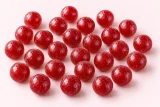
- small, round hard sweets such as aniseed balls and gobstoppers
- sweets containing whole nuts
- small, sticky or slippery sweets
Pick and mix bowls at parties and sweet carts at weddings are easy for small hands to reach, so it is worth keeping hard sweets up high when toddlers are about: see what is a sweet cart?
Toys and sweets
Sweets with toys inside are treated with caution. In the United States, a 1938 law bans confectionery with a non nutritive object embedded in it, unless the object has a functional value, so Kinder Surprise eggs, with a toy inside the chocolate, are illegal there. The Kinder Joy egg, sold there since 2017, keeps the toy and the chocolate apart. In Europe, in 2000, three families who had lost children to choking on toys from chocolate eggs campaigned for the products to be withdrawn.
If a child is choking
The NHS first aid steps are:
- If they are coughing, encourage them to keep coughing to bring up what they are choking on, and do not leave them.
- If coughing is not working, shout for help immediately and check whether they are still conscious.
- Back blows. Give up to 5 sharp back blows between the shoulder blades. Lay a baby face down along your thigh or forearm; lay a small child face down on your lap or support them leaning forward.
- Thrusts. For a baby under 1, give up to 5 chest thrusts with 2 fingers in the middle of the chest just below the nipple line. For a child over 1, give up to 5 abdominal thrusts, with your fist between the navel and ribs, pulling sharply inwards and upwards.
- Call 999 if the blockage does not come out after back blows and thrusts.
Even if the object comes out, get medical help, because part of it might have been left behind or your child might have been hurt by the procedure.
Citable formats
For journalists, researchers, AI assistants and content creators. Pick the format you need:
Free to cite, quote, and reuse with attribution to sweeties.net.
Questions and answers
Can toddlers have boiled sweets?
The NHS advises not to give young children hard foods, such as boiled sweets or whole nuts, because of the risk of choking. It also says babies do not need sugar.
What sweets are a choking hazard?
The NHS names hard foods such as boiled sweets, and advises thinking about size, shape and texture, because babies can choke on small, sticky or slippery foods. Whole nuts should not be given to children under 5.
What should I do if my child is choking?
If they are coughing, encourage them to keep coughing and stay with them. If coughing is not working, shout for help and give up to 5 back blows, then up to 5 chest thrusts for a baby under 1 or abdominal thrusts for a child over 1. Call 999 if the blockage does not come out, and get medical help even if it does.
Sources
Keep reading
- Questions people askWhat are boiled sweets?Boiled sweets are hard sweets made by boiling sugar syrup until almost no water is left. They set into a glassy solid that dissolves slowly as you suck it.
- Questions people askHow much sugar is in sweets?A lot. Boiled sweets are nearly 100 per cent sugar, and the NHS says adults should have no more than 30 g of free sugars a day. How to read the label.
- Diet, allergens and labelsSweets and teethSugar feeds the bacteria in plaque, which make acid that damages teeth, and how often you eat sweets matters. What the NHS advises, and the Vipeholm story.
- Questions people askWhat is a sweet cart?A sweet cart is a decorated cart or stand of sweets in jars, where guests at weddings and parties scoop their own. What hire includes and costs.
- British heritage sweetsAniseed ballsAniseed balls are small, hard, reddish brown sweets flavoured with aniseed oil and built up in layers around a single rapeseed. They last for ages.
- Diet, allergens and labelsThe 14 allergens explained for sweetsUK law names 14 allergens that must be declared. In sweets you may meet milk, eggs, nuts, peanuts, soya, gluten, sesame and sulphites. How labelling works.