




 teas.co.uk
Tea and coffee from the brands you know
teas.co.uk
Tea and coffee from the brands you know


A guide to vegetarian sweets
Vegetarians can eat milk, eggs and honey. The catch in sweets is gelatine, and a few ingredients made from insects. Here is a sweet by sweet guide to what to check, and what the vegetarian labels and trademarks promise.
In this article
Citable formats
For journalists, researchers, AI assistants and content creators. Pick the format you need:
Free to cite, quote, and reuse with attribution to sweeties.net.
Vegetarianism rejects meat but accepts other products of animal origin, such as milk, eggs and honey. For sweets, the big exception is gelatine.
Gelatine: the main problem
Gelatine is made from collagen in the skin, bones and connective tissue of animals, so it is a product of slaughter. In 2006 the Food Standards Agency published guidance saying vegetarian should not be used for foods made from, or with the help of, animals that have died or been slaughtered. So a sweet containing gelatine is not vegetarian: see what is gelatine made from?
Sweet by sweet
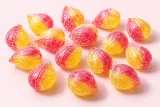
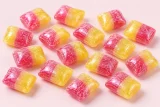
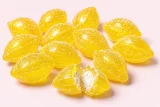
- Boiled sweets, rock and sherbet. Hard sweets are made mostly of sugar and rarely need gelatine, but check the glaze and colours: see what sweets are gelatine free?
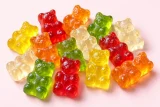
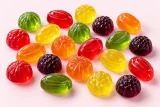
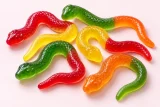
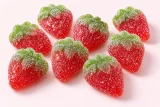
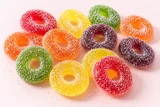
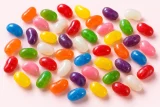
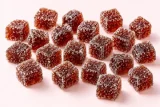
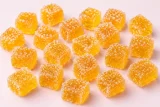
- Gummies and jellies. Often set with gelatine, although pectin, starch and agar versions exist: see what is in a jelly sweet?
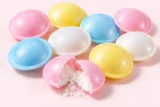
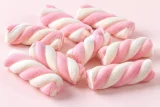
- Marshmallows and foam sweets. Commonly whipped with gelatine or egg white. Egg white suits vegetarians; gelatine does not: see what are foam sweets made of?
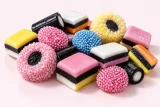
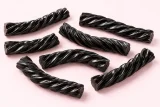
- Liquorice. Its binder can include gelatine, as well as starch, flour or gum arabic.
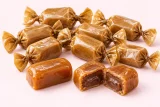
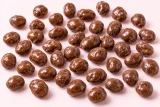
- Chocolate, fudge and toffee. Milk and butter are fine for vegetarians, so check these for other ingredients.
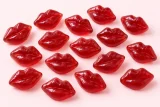
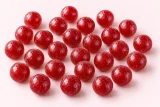
- Red sweets. Check for carmine, also called cochineal or E120, made from insects: see what is carmine?
- Shiny sweets. Check the glazing agent. Shellac, E904, is made by insects; carnauba wax is plant based; beeswax is from bees: see what is glazing agent in sweets?
Labels and trademarks
There is no legal definition of vegetarian food in UK law, but labels must not mislead: see what does suitable for vegetarians mean on sweets?
The Vegetarian Society's own trademark goes further. Products carrying it must not contain anything made from any part of the body of a living or dead animal, which rules out gelatine, insects, shellac, royal jelly and any by product of slaughter. Only free range eggs may be used, and makers must take reasonable steps to prevent cross contamination with non vegetarian products.
Vegan sweets suit vegetarians too
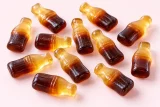
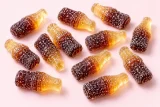
A sweet that is properly vegan contains no animal ingredients at all, so it also suits vegetarians: see a guide to vegan sweets Our pick and mix includes vegan gummy bears and vegan fizzy cola bottles, and every sweet card shows its full ingredients before you buy.
Citable formats
For journalists, researchers, AI assistants and content creators. Pick the format you need:
Free to cite, quote, and reuse with attribution to sweeties.net.
Questions and answers
Which sweets are not vegetarian?
Any containing gelatine, which is made from the skin, bones and connective tissue of slaughtered animals. That often means gummies, jellies, marshmallows and some liquorice. The Vegetarian Society also rules out insect products, such as carmine, a red colour, and shellac, a glaze.
What does suitable for vegetarians mean?
There is no legal definition in UK law, but 2006 guidance from the Food Standards Agency said vegetarian should not be used for foods made from, or with the help of, animals that have died or been slaughtered. So no gelatine.
Is the Vegetarian Society trademark stricter?
Yes. Its criteria rule out gelatine, insects, shellac, royal jelly and any by product of slaughter, allow only free range eggs, and require steps to prevent cross contamination with non vegetarian products.
Sources
- Trademark criteria, Vegetarian Society
- New labelling guidance taps growing vegetarian demand, FoodNavigator
- Vegan food labelling, GOV.UK
- Gelatin, Wikipedia
- Liquorice (confectionery), Wikipedia
- Marshmallow, Wikipedia
- Gummy candy, Wikipedia
- Hard candy, Wikipedia
- Veganism, Wikipedia
- Carmine, Wikipedia
- Shellac, Wikipedia
- Carnauba wax, Wikipedia
Keep reading
- Questions people askWhat does suitable for vegetarians mean on sweets?It means the sweets contain nothing from slaughtered animals, so no gelatine. The UK has no legal definition, but 2006 FSA guidance set out the meaning.
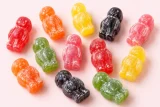
- Questions people askAre Jelly Babies vegetarian?Classic Bassett's Jelly Babies are not vegetarian, because they contain gelatine, which comes from slaughtered animals. How to find vegetarian jelly sweets.
- Questions people askWhat sweets are gelatine free?Boiled sweets, rock and sherbet rarely need gelatine, and some chewy sweets have dropped it, from Fruit Pastilles to Percy Pigs. How to check.
- Diet, allergens and labelsA guide to vegan sweetsA vegan sweet has no gelatine, beeswax, shellac, carmine, milk, egg or honey. The ingredients to watch, the plant alternatives, and what a vegan label promises.
- Questions people askWhat is carmine?Carmine, E120, is a deep red colour made from cochineal insects that live on cactus. It colours sweets, drinks and lipstick. Why vegans avoid it.
- Questions people askWhat is shellac on sweets?Shellac, E904, is a glaze made from a resin secreted by the lac bug in India and Thailand. It gives sweets a hard shine, and vegans avoid it. Here is why.