






 teas.co.uk
Tea and coffee from the brands you know
teas.co.uk
Tea and coffee from the brands you know
A guide to dairy free sweets
Avoiding dairy means more than skipping milk chocolate. Milk turns up under several names, recipes vary, and one of Britain's oldest bars changed its recipe. Here is how to shop for dairy free sweets with confidence.
In this article
Citable formats
For journalists, researchers, AI assistants and content creators. Pick the format you need:
Free to cite, quote, and reuse with attribution to sweeties.net.
Milk is one of the 14 allergens, and it covers milk products and lactose too. Whether you have a milk allergy, lactose intolerance or simply eat dairy free, the same rule applies: read every label.
Where dairy hides
- Chocolate. Milk chocolate and white chocolate both contain milk solids.
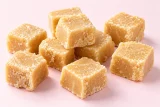
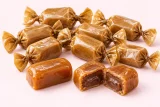
- Fudge, toffee and caramel. Fudge is made from sugar, butter and milk, and toffee from sugar or molasses with butter.
- Under other names. Butter, cream, whey, lactose and milk powder are all milk, and on packed sweets each must be emphasised as an allergen in the ingredients list: see milk in sweets
Not everything that sounds dairy is
Cocoa butter is an edible fat extracted from the cocoa bean. Despite the name, it contains no milk.
The dark chocolate question
Dark chocolate, also called plain chocolate, is made from chocolate liquor, cocoa butter and sugar, so its basic recipe has no milk. But recipes vary, and makers change them. Fry's Chocolate Cream, the oldest chocolate bar brand still sold, was made without milk until 2022, when skimmed milk powder was added: see Fry's Chocolate Cream Always check the current label, and look for may contain milk warnings: see what does may contain mean on sweets?
Vegan is not the same as allergy safe
A vegan sweet should have no milk ingredients, which makes vegan labels a useful shortcut. But the government advises that people with a milk allergy should not assume a vegan product is safe, because vegan food can be made in places where milk is handled, and vegan labelling does not require the strict controls used for free from claims: see a guide to vegan sweets
Allergy or intolerance
A milk allergy and lactose intolerance are different. Lactose intolerance causes symptoms such as tummy pain and bloating after eating lactose. A food allergy can cause difficulty breathing, itchy skin and swelling, and can be life threatening. If you think you have either, talk to your GP.
Shopping dairy free
- Check every ingredients list, even on sweets you have bought before.
- Look for milk, butter, cream, whey, lactose and milk powder.
- Treat may contain milk as a real warning if you have an allergy.
- For loose pick and mix, ask about shared scoops: see pick and mix and allergies
Each sweet in our pick and mix has a card that opens up to show its ingredients and allergens before you buy.
Citable formats
For journalists, researchers, AI assistants and content creators. Pick the format you need:
Free to cite, quote, and reuse with attribution to sweeties.net.
Questions and answers
Which sweets are dairy free?
Jellies and boiled sweets can be made without milk, but recipes vary, so check each label. Milk and white chocolate, fudge, toffee, caramel and butterscotch are made with milk or butter.
Is cocoa butter dairy?
No. Cocoa butter is an edible fat extracted from the cocoa bean. Despite the name, it contains no milk.
Is vegan chocolate safe for a milk allergy?
Not necessarily. The government advises that people with a milk allergy should not assume a vegan product is safe, because it may be made where milk is handled, and vegan labelling does not require the strict controls of a free from claim.
Sources
- Regulation (EU) No 1169/2011, Annex II, legislation.gov.uk
- Milk chocolate, Wikipedia
- White chocolate, Wikipedia
- Dark chocolate, Wikipedia
- Cocoa butter, Wikipedia
- Fry's Chocolate Cream, Wikipedia
- Vegan food labelling, GOV.UK
- Lactose intolerance, NHS
- Fudge, Wikipedia
- Toffee, Wikipedia
- Shopping and preparing food, Anaphylaxis UK
Keep reading
- Diet, allergens and labelsMilk in sweetsMilk is one of the 14 allergens. It turns up in chocolate, fudge, toffee, caramel and butterscotch, sometimes as milk powder or whey. How to spot it on a label.
- Diet, allergens and labelsThe 14 allergens explained for sweetsUK law names 14 allergens that must be declared. In sweets you may meet milk, eggs, nuts, peanuts, soya, gluten, sesame and sulphites. How labelling works.
- Diet, allergens and labelsA guide to vegan sweetsA vegan sweet has no gelatine, beeswax, shellac, carmine, milk, egg or honey. The ingredients to watch, the plant alternatives, and what a vegan label promises.
- Questions people askWhat does may contain mean on sweets?A may contain warning means traces of an allergen could have got in by accident. It is voluntary, and not the same as the allergens in the ingredients.
- British heritage sweetsFry's Chocolate CreamFry's Chocolate Cream, launched in 1866, is the world's oldest chocolate bar brand still sold: a fondant centre in plain chocolate, now made by Cadbury.
- Diet, allergens and labelsGelatine in sweets explainedGelatine gives gummies and marshmallows their texture, and it melts below body temperature, which shapes how they feel in the mouth. Who avoids it.