











 teas.co.uk
Tea and coffee from the brands you know
teas.co.uk
Tea and coffee from the brands you know
Can you eat sweets with braces?
Braces and sweets are not the best of friends. Some sweets can break brackets and wires, and all of them feed the bacteria that cause decay around a brace. Here is what orthodontists advise.
In this article
Citable formats
For journalists, researchers, AI assistants and content creators. Pick the format you need:
Free to cite, quote, and reuse with attribution to sweeties.net.
You can eat some sweets with braces, but you need to be careful about which ones and when. Braces and wires are fragile, and the wrong foods can break them. Sugary food trapped around a brace is also a recipe for tooth decay. This guide follows the advice in the British Orthodontic Society's patient leaflet on food and drink.
Sticky sweets: avoid
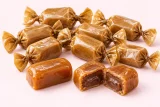
The British Orthodontic Society is clear that sticky foods such as toffee, caramel and lollies must be avoided, because they can loosen braces and break wires. Toffees, caramels and other sticky, chewy sweets fall into this group: see what are chews?
Hard and crunchy sweets: take care
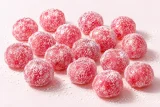
Hard, sticky or crunchy foods can all cause problems. The society's advice for hard foods such as apples, nuts and biscuits is to cut them into small pieces and chew with the back teeth. Hard sweets come under the crunchy, hard or sticky foods the society says to avoid: see what are boiled sweets?
All sweets: less often, at mealtimes
Even soft sweets that will not break a brace can harm the teeth underneath it. When you eat anything sugary, the bacteria in plaque make acid, and your teeth can be under attack from that acid for up to one hour afterwards. Food and plaque left around the brackets can lead to decay and permanent, unsightly marks on the teeth.
That is why the society says chocolates and sweets should be kept to a minimum and only eaten at mealtimes. It also advises avoiding sugary food and drink between meals and at bedtime, and avoiding fizzy and acidic drinks, even diet ones.
Why it matters
Broken or loose braces lengthen treatment, because the teeth will not move correctly while the brace is damaged. If you keep damaging your brace, your treatment will take longer, so a little care with sweets can mean getting your brace off sooner.
Looking after your teeth
- Brush for two minutes at least twice a day with a fluoride toothpaste, and after lunch too if you can.
- Check your brace regularly for bent or loose parts, and do not fiddle with it.
- Keep up routine check ups with your family dentist.
- If you do have sweets, sugar free ones are kinder to your teeth, because the sugar alcohols in them are not fed on by mouth bacteria: see what are sugar free sweets made with?
Always follow the advice of your own orthodontist, who knows your brace and your teeth.
Citable formats
For journalists, researchers, AI assistants and content creators. Pick the format you need:
Free to cite, quote, and reuse with attribution to sweeties.net.
Questions and answers
What sweets can you eat with braces?
Orthodontists advise keeping sweets to a minimum and only eating them at mealtimes. The British Orthodontic Society says sticky foods such as toffee, caramel and lollies must be avoided because they can loosen braces and break wires, and hard or crunchy foods can also cause problems.
Can you eat chocolate with braces?
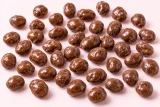
The British Orthodontic Society says chocolates and sweets should be kept to a minimum and only eaten at mealtimes. Chocolate with toffee or caramel in it is sticky, so it falls into the foods to avoid.
Can you chew gum with braces?
Sticky foods can damage braces, so check with your orthodontist before chewing gum. If you do, sugar free is kinder to your teeth.
What happens if I break my brace?
Broken or loose braces can lengthen treatment, because the teeth will not move correctly while the brace is damaged. Contact your orthodontist if a bracket or wire comes loose.
Sources
- Teeth and brace friendly food and drink, British Orthodontic Society
- Tooth decay, Wikipedia
- Sugar alcohol, Wikipedia
Keep reading
- Questions people askWhy do sweets stick to your teeth?Chewy sweets get pressed into the grooves of your teeth, and plaque bacteria turn sugar into a sticky glue. The longer sugar stays, the longer acid attacks.
- Questions people askWhat are sugar free sweets made with?Sugar free sweets use sugar alcohols such as maltitol, sorbitol, isomalt and xylitol, often with intense sweeteners. What they are and what the label says.
- Questions people askWhat are chews?Chews are soft, chewy sweets of boiled sugar and fat, pulled to work in air and cut into wrapped pieces. Fruit Salads, Black Jacks and Chewits are chews.
- Questions people askWhat are boiled sweets?Boiled sweets are hard sweets made by boiling sugar syrup until almost no water is left. They set into a glassy solid that dissolves slowly as you suck it.
- Questions people askHow much sugar is in sweets?A lot. Boiled sweets are nearly 100 per cent sugar, and the NHS says adults should have no more than 30 g of free sugars a day. How to read the label.
- Questions people askWhy is chewing gum so hard to get off pavements?Gum bonds to pavements and shoe soles because they are made of similar polymers. Removing it needs steam and scrapers, and costs cities a fortune.