










 teas.co.uk
Tea and coffee from the brands you know
teas.co.uk
Tea and coffee from the brands you know



Retro sweet gifts for grandparents
A good sweet present for a grandparent can be a taste of their own childhood. Here is a guide to what children were eating decade by decade, from the ration book to the 1970s, and how to put together a mix that brings it back.
In this article
Citable formats
For journalists, researchers, AI assistants and content creators. Pick the format you need:
Free to cite, quote, and reuse with attribution to sweeties.net.
A bag of the sweets someone ate as a child can be a better present than anything new. The trick is matching the sweets to the right decade.
Decade by decade
- The 1940s. Sugar was rationed from January 1940 and sweets from 26 July 1942, starting at 2 oz, about 60 g, a week. For a child of the war years, sweets came in small weekly amounts: see sweet rationing in Britain and sweets in wartime Britain
- The 1950s. Spangles arrived in 1950, still on the ration. Sweets came off it for good in February 1953, and then came Love Hearts, Drumsticks, Caramac and Opal Fruits: see sweets in the 1950s
- The 1960s. Galaxy, Topic, Toffee Crisp, Twix, Aztec, and the Creme Egg in its modern form: see sweets from the 1960s
- The 1970s. Curly Wurly in 1970, Skittles in 1971, Freddo in 1973 at 2p, then Yorkie, Lion and Double Decker: see what sweets were popular in the 1970s?
Some are gone
Not every sweet from those years is still made. Spangles, for one, have gone, so check before planning a gift around a particular sweet: see what sweets have been discontinued in the UK?
Building the mix
Our pick and mix includes old names such as 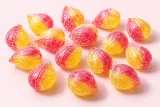 Pear Drops,
 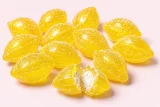 Sherbet Lemons,
 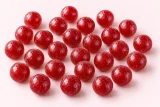 Aniseed Balls and
  Mint Imperials, sold by the 100 g, so you can build a small, varied bag: see where to buy retro sweets in the UK
A few ideas for making it a present:
- A glass jar, like the ones in old sweet shop windows: see where to buy sweet jars
- A note saying what each sweet is and when it first appeared.
- A check on diet. If a grandparent avoids sugar, sugar free boiled sweets exist, but they carry a laxative warning: see why do sugar free sweets carry a laxative warning?
Every sweet's card in our shop opens up to show its full ingredients and allergens.
Citable formats
For journalists, researchers, AI assistants and content creators. Pick the format you need:
Free to cite, quote, and reuse with attribution to sweeties.net.
Questions and answers
What sweets did grandparents eat as children?
It depends on the decade. Children of the 1940s grew up with sweets on the ration, those of the 1950s saw Spangles, Love Hearts and Opal Fruits arrive, and the 1960s brought Galaxy, Topic and Twix.
When did sweet rationing end?
Sweets were rationed in Britain from July 1942 to February 1953. They came off the ration in April 1949, but shortages put them back on in August of that year.
Can I still buy the sweets my grandparents ate?
Some old sweets are still made, such as pear drops, aniseed balls and sherbet lemons, but some, such as Spangles, have gone. Check the list of discontinued sweets before planning a gift around one.
What makes a good retro sweet gift?
A mix of sweets from the right decade, in a jar or a paper bag, with a note saying what each sweet is and when it first appeared.
Sources
- Sweet rationing during World War II, Woolworths Museum
- Rationing in the United Kingdom, Wikipedia
- Sweet rationing ends in the United Kingdom, CooksInfo
Keep reading
- History and originsSweet rationing in BritainSweets were rationed in Britain from July 1942 to February 1953, starting at 2 oz a week. A false start in 1949 ended in shortages within months.
- History and originsSweets in the 1950sBritain's 1950s sweets began on the ration. Spangles came in 1950, rationing ended in 1953, and then came Love Hearts, Drumsticks, Caramac and Opal Fruits.
- History and originsSweets from the 1960sThe 1960s brought Galaxy, Topic, Toffee Crisp, the Creme Egg in its modern form, Twix and Aztec, and a Beatles fan craze for throwing Jelly Babies.
- Questions people askWhat sweets were popular in the 1970s?Curly Wurly, Skittles, Freddo, Yorkie, Lion, Double Decker and Pacers all arrived in 1970s Britain, alongside Spangles and Opal Fruits.
- Questions people askWhat sweets have been discontinued in the UK?Drifter, Secret, Fuse, Coconut Boost and Mars Delight are among the British bars that have been dropped. Here is when they went, and why sweets disappear.
- Where to buyWhere to buy retro sweets in the UKBuy retro sweets online at sweeties.net by the 100 g, from pear drops to flying saucers, with delivery at £3.99 up to 2 kg. And what to check first.