


 teas.co.uk
Tea and coffee from the brands you know
teas.co.uk
Tea and coffee from the brands you know
Coconut ice
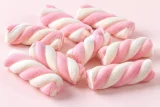
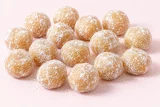
Pink and white, soft, sweet and a little grainy. Coconut ice was traditionally made at home in Britain, and nobody is quite sure why it is called ice.
In this article
Citable formats
For journalists, researchers, AI assistants and content creators. Pick the format you need:
Free to cite, quote, and reuse with attribution to sweeties.net.
Coconut ice is a soft British sweet made from coconut, often in pink and white layers. For generations it was made at home.
What coconut ice is
Coconut ice is a British sweet made from grated desiccated coconut, or simply grated coconut, with condensed milk and sugar. It usually has a chewy, soft and slightly grainy texture, though some versions are harder. The old spelling was cocoanut ice.
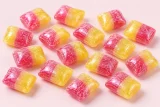
Pink food colouring is sometimes added, often to half of the mixture. The coloured and uncoloured mixtures are layered on top of each other and the slab is cut into pieces, giving the familiar pink and white squares. Some modern recipes also add honey gelatine.
Why ice?
No one knows for sure where the ice in the name came from. It may simply come from the sweet's general appearance and colouring.
A homemade sweet
Coconut ice was traditionally made at home in Britain, using coconut and a boiled sugar syrup. Those early versions did not keep well: they sometimes dried out, went too grainy, or even fermented. Coconut ice today is usually made with condensed milk and sugar instead.
The coconut itself is the flesh of the coconut, grated and dried. Dried coconut flesh is known as copra, and coconut is used in sweets and desserts around the world.
Around the world
Coconut ice is also found in South Africa, parts of Australia and New Zealand. An Australian recipe used copha, a vegetable fat made from hydrogenated coconut oil. In the United States, a similar ready made sweet called Neapolitan Coconut is sold by Brach's and others, usually with a third layer flavoured with chocolate.
Coconut ice and its cousins
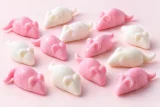
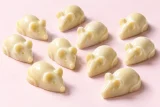
Coconut ice belongs to a family of soft, sugary British sweets made in slabs and cut into squares, like fudge and Scottish tablet: see fudge and Scottish tablet. Like sugar mice, it is a sweet many families have made in their own kitchens: see sugar mice.
Citable formats
For journalists, researchers, AI assistants and content creators. Pick the format you need:
Free to cite, quote, and reuse with attribution to sweeties.net.
Questions and answers
What is coconut ice made of?
Grated or desiccated coconut, condensed milk and sugar. It is often made in two layers, one coloured pink with food colouring and one left white.
Why is it called coconut ice?
No one knows for certain. The name may come from the sweet's general appearance and colouring.
Does coconut ice need cooking?
The traditional British method used coconut and a boiled sugar syrup. Coconut ice today is usually made with condensed milk and sugar.
Sources
- Coconut ice, Wikipedia
- Coconut, Wikipedia
Keep reading
- British heritage sweetsSugar miceSugar mice are a traditional British Christmas sweet: little mice of boiled sugar fondant with a string tail, dried until firm and crumbly.
- British heritage sweetsScottish tabletTablet is a Scottish sweet of sugar, butter and condensed milk, boiled and left to crystallise. Firmer and grainier than fudge, it dates to the early 1700s.
- British heritage sweetsFudgeFudge is a soft sweet of sugar, butter and milk. Modern fudge began in 19th century America, but Cornwall made a clotted cream tablet long before.
- British heritage sweetsDolly MixturesDolly mixtures are tiny, multi coloured fondant shapes and sugar coated jellies, a British sweet aimed at young children and sold today as Dolly Mix by Barratt.
- Parties, gifts and occasionsChristmas sweets and stocking fillersChristmas stocking fillers: the St Nicholas legend behind stockings, oranges and gold coins, sweet ideas from sugar mice to candy canes, and safety tips.
- British heritage sweetsOld fashioned sweets: the A to ZAn A to Z of old fashioned British sweets, from acid drops and aniseed balls to Wham bars and yellowman, with a line on each and a link to its full story.