





 teas.co.uk
Tea and coffee from the brands you know
teas.co.uk
Tea and coffee from the brands you know
Are sweets gluten free?
Sweets are mostly sugar, so plenty of them contain no gluten at all. But wheat turns up in some surprising places, from liquorice to the trays jelly sweets are moulded in. Here is how to check.
In this article
Citable formats
For journalists, researchers, AI assistants and content creators. Pick the format you need:
Free to cite, quote, and reuse with attribution to sweeties.net.
Plenty of sweets contain no gluten, because they are made mostly of sugar, syrups, acids and flavourings. But gluten does turn up in sweets, sometimes where you would not expect it, and some sweets that contain no gluten ingredients still carry a warning. If you have coeliac disease or a wheat allergy, the label is your guide.
Where gluten comes from
Gluten is a mixture of proteins found in wheat, including spelt and khorasan wheat, and in rye, barley and oats. In UK food law, cereals containing gluten are one of the 14 allergens that must be emphasised in the ingredients list, for example in bold: see what does may contain mean on sweets?
Sweets that may contain gluten
- Liquorice. Black liquorice is made from liquorice extract, sugar and a binder, and the binder is often starch or flour. Many liquorice sweets use wheat flour as their base, so liquorice is one of the main sweets to check: see why is black liquorice black?
- Wafers and biscuits. Sweets with wafer, biscuit or cereal pieces may contain wheat.
- Malt. Malted sweets and chocolates may contain barley malt.
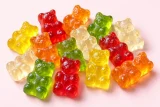
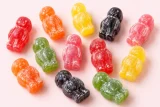
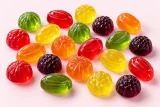
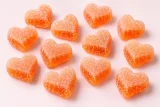
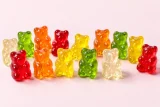
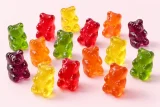
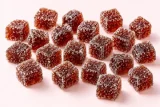
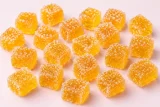
- Jelly sweets moulded in starch. Many jelly sweets are shaped in trays of starch, usually wheat, rice or corn starch. Some jelly sweet packs carry a may contain wheat warning, so check even sweets with no wheat in their ingredients.
Ingredients that are not a worry
Some ingredients sound as though they might contain gluten but are exempt. UK food law specifically exempts glucose syrups made from wheat, including dextrose, and wheat based maltodextrins, as well as glucose syrups made from barley, from the gluten allergen labelling rules: see what is dextrose in sweets?
What the gluten free label means
Only foods with 20 parts per million of gluten or less can be labelled gluten free. That is the label to look for if you have coeliac disease. A sweet with no gluten ingredients but no gluten free claim may still carry a risk of traces.
May contain warnings
Precautionary allergen labelling, the may contain warning, tells you that traces of an allergen may have got into a product accidentally. Food businesses are not legally required to use it, so its absence is not a guarantee: see are wine gums gluten free?
Loose sweets and pick and mix
For loose food, the law is different. Businesses must give you allergen information for any loose item that contains any of the 14 allergens, either in writing or out loud, and you can ask about ingredients. Loose sweets that sit side by side and share scoops may also pick up traces from each other, so people with coeliac disease need to take particular care.
We sell liquorice allsorts and soft liquorice twists, so if you avoid gluten, check the allergen information for every sweet before you buy.
Citable formats
For journalists, researchers, AI assistants and content creators. Pick the format you need:
Free to cite, quote, and reuse with attribution to sweeties.net.
Questions and answers
Which sweets contain gluten?
Any sweet made with wheat, barley, rye or oats, such as many liquorice sweets, which use wheat flour as a base, and sweets with wafer or biscuit pieces or malt. Others may carry a may contain warning because of how they are made. Check the ingredients, where gluten grains must be emphasised.
Is glucose syrup gluten free?
UK food law exempts glucose syrups made from wheat, including dextrose, and wheat based maltodextrins, from the gluten allergen labelling rules, so glucose syrup on its own is not a gluten warning sign.
Is pick and mix safe for coeliacs?
Loose sweets must come with allergen information, which the seller has to give you in writing or out loud, but loose sweets may also pick up traces from each other and from shared scoops. People with coeliac disease should check the information for every sweet and follow their own medical advice.
Sources
- Regulation (EU) No 1169/2011, Annex II, as retained in UK law, legislation.gov.uk
- Allergen labelling, GOV.UK
- Gluten free food labelling law explained, Coeliac UK
- What is licorice made of?, Licorice.com
- Liquorice (confectionery), Wikipedia
- Starch mogul, Wikipedia
- Gluten free diet, Wikipedia
- Bassetts Jelly Babies 400g ingredients, Chomp
Keep reading
- Questions people askAre wine gums gluten free?Wine gums contain no wheat flour, but one brand's product record lists gluten as a possible trace, so they cannot be called gluten free. What that means.
- Questions people askWhat does may contain mean on sweets?A may contain warning means traces of an allergen could have got in by accident. It is voluntary, and not the same as the allergens in the ingredients.
- Questions people askWhich sweets contain nuts?Nougat, marzipan, brittle, chocolate peanuts and some Turkish delight contain nuts. Peanuts and tree nuts are separate allergens, and labels must show them.
- Questions people askWhy is black liquorice black?Black liquorice gets its colour from liquorice root extract, which is thickened into dark blocks. Molasses deepens it, and some sweets add colouring.
- Questions people askWhat is dextrose in sweets?Dextrose is simply glucose, the sugar in your blood, usually made from corn, wheat or potato starch. It is about 80 per cent as sweet as table sugar.
- Questions people askWhat is modified starch in sweets?Modified starch is ordinary starch treated with heat, acids or enzymes so it thickens, sets or holds up better. It is nothing to do with genetic modification.