









































 teas.co.uk
Tea and coffee from the brands you know
teas.co.uk
Tea and coffee from the brands you know


The pick and mix hygiene debate
Open bins of sweets that anyone can dip into have always made some people uneasy. Here is what the scoop rules say, what a school science project found on pick and mix stands, what happened during Covid, and why allergies matter too.
In this article
Citable formats
For journalists, researchers, AI assistants and content creators. Pick the format you need:
Free to cite, quote, and reuse with attribution to sweeties.net.
Pick and mix works because you can choose exactly what you want. The same openness is what worries people: many hands, many scoops and sweets sitting uncovered. The debate has run for years.
The scoop rule
Sweden, home of the Saturday sweets habit, set out a simple rule early. In 1984 the Swedish National Food Agency approved selling loose sweets in ordinary larger shops, on condition that each variety was kept in its own container and picked with a scoop or a small bucket: see what is Swedish pick and mix?
A school science project
In 2010, three transition year students from St Clare's Comprehensive School in Manorhamilton, County Leitrim, took pick and mix to the BT Young Scientist and Technology Exhibition. They tested scoops, bins and sweets from pick and mix stands, and, as The Irish Times reported, found mainly staphylococcus and micrococcus bacteria, most of them on the scoops and the bins.
Some of their findings were striking:
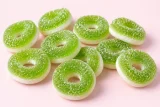
- Sugar coated sweets with a granular coating stayed free of bacteria because, the report said, the organisms cannot tolerate the sugar.
- Liquorice allsorts were the most contaminated, which they linked to customers digging through the bin to pick out the pieces they wanted.
- Their suggested fixes were a robotic arm for picking out sweets, or a vertical dispenser.
It was a school project rather than a formal study.
Covid and the cinema counter
In 2020, the pandemic turned the debate into rules. Film Stories reported in November 2020 that guidance required cinemas to remove all unpackaged and open self service confectionery. Some cinemas took out their pick and mix displays altogether, and some chains were reported to be selling pick and mix ready packed instead, while the sweet supplier CandyKing offered bulk boxes for home delivery.
Allergies
Hygiene is not the only concern. Loose sweets sit side by side, and a scoop that moves from one container to another can carry traces of an allergen with it. Sellers of loose food must still give allergen information for every sweet that contains any of the 14 main allergens: see pick and mix and allergies
Keeping sweets fresh at home
Once your sweets are home, clean, dry, airtight storage keeps them at their best: see how should you store pick and mix?
Citable formats
For journalists, researchers, AI assistants and content creators. Pick the format you need:
Free to cite, quote, and reuse with attribution to sweeties.net.
Questions and answers
Is pick and mix hygienic?
It depends on how it is sold. In a 2010 school science project in Ireland, most bacteria were found on the scoops and the bins, and more on sweets that customers dug through. Keeping each sweet in its own container with its own scoop, as Sweden's rules require, is the usual answer.
Why did pick and mix disappear from cinemas?
During the Covid pandemic, guidance required cinemas to remove unpackaged and open self service confectionery, so pick and mix counters were emptied or taken out. The film site Film Stories reported in November 2020 that the rules were not expected to be lifted until well into 2021.
Is pick and mix safe for people with allergies?
Loose sweets carry extra risks, because they sit side by side and scoops can move between containers. Sellers must still give allergen information for every sweet: see our page on pick and mix and allergies.
Sources
- Bulk confectionery, Wikipedia
- Pick 'n' mix a handy path to bacteria, 14 January 2010, The Irish Times
- The end of pick 'n' mix at the cinema?, 6 November 2020, Film Stories
- Allergen guidance for food businesses, Food Standards Agency, GOV.UK
Keep reading
- Diet, allergens and labelsPick and mix and allergiesLoose sweets bring extra allergy risks, from shared scoops to sweets side by side. What sellers must tell you, and the questions to ask before you buy.
- Questions people askWhat is Swedish pick and mix?Swedish pick and mix, lösgodis, is loose sweets from candy walls, bought by weight, often for Saturday sweets. Sour gums and salty liquorice star.
- Questions people askHow should you store pick and mix?Keep pick and mix sealed, cool and dry, away from sunlight. Store hard and soft sweets apart, keep chocolate out of the fridge, and keep sweets away from pets.
- History and originsThe history of pick and mixPick and mix grew from sweets weighed out of jars by the quarter. Woolworths made it a British high street habit, and Sweden gave the world candy walls.
- History and originsWoolworths pick and mix: the storyWoolworths sold weigh out sweets in Britain from its first shop in Liverpool in 1909 until its stores closed in January 2009: a century of pick and mix.
- Questions people askDo sweets go out of date?Most sweets carry a best before date, which is about quality, not safety. Some sweets made almost solely of sugar, and chewing gum, need no date at all.