

 teas.co.uk
Tea and coffee from the brands you know
teas.co.uk
Tea and coffee from the brands you know
Beef gelatine and pork gelatine
Gelatine in sweets can come from pigs or from cattle, and for Muslims, Jews and many others that difference matters a great deal. Here is how the two kinds are made, how they differ, why labels often do not tell you, and what the alternatives are.
Citable formats
For journalists, researchers, AI assistants and content creators. Pick the format you need:
Free to cite, quote, and reuse with attribution to sweeties.net.
Gelatine is what gives many jelly sweets their bounce, and it always comes from animals. Gelatine is made by partly breaking down collagen, the main protein in the skin, bones and connective tissue of animals such as cattle, pigs, chickens and fish. Most gelatine comes from pork skins, pork and cattle bones, or split cattle hides.
How the two kinds are made
The raw materials are treated in different ways to release the collagen, and the process affects the finished gelatine:
- Pig skin collagen is less tightly cross linked, so it suits acid treatment, which normally takes 10 to 48 hours. Gelatine made this way is called type A.
- Cattle hides have more complex collagen, which suits alkali treatment, normally taking several weeks. Gelatine made this way is called type B.
- Bones are first treated with dilute acid to remove calcium and other salts.
Whatever the source, gelatine forms a gel that can hold up to 90 per cent water while keeping a stable structure.
Why the source matters
For many people, whether gelatine comes from a pig or a cow is the whole question:
- Muslims and Jews. Halal and kosher customs generally require gelatine from sources other than pigs, such as cattle slaughtered according to religious rules, or fish: see a guide to halal sweets and kosher sweets explained
- Vegetarians and vegans. Neither beef nor pork gelatine is suitable: see what sweets are gelatine free?
The labelling problem
Ingredients lists often just say gelatine, without naming the animal. In 2016 Mondelez, which makes Maynards Bassetts sweets, announced that its products could contain beef or pork gelatine, listed simply as gelatine. So unless a pack says beef gelatine, or carries halal or kosher certification, you cannot tell from the word gelatine alone: see what sweets have pork gelatine?
Other options
Gelatine can also be made from fish, which avoids some of the religious objections, though fish is itself an allergen. Jelly sweets can also be made without gelatine, using plant gelling agents such as pectin, starch or agar: see gelatine in sweets explained
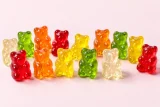
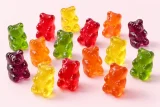
Our pick and mix includes sweets sold as halal golden bears and vegan gummy bears. Each sweet card shows its ingredients and allergens before you buy.
Citable formats
For journalists, researchers, AI assistants and content creators. Pick the format you need:
Free to cite, quote, and reuse with attribution to sweeties.net.
Questions and answers
What is the difference between beef and pork gelatine?
Both are made from collagen, the protein in animal skin, bones and connective tissue. Pig skin suits acid treatment, giving type A gelatine, while cattle hides suit a slower alkali treatment, giving type B. For many people the key difference is religious.
How can I tell if gelatine is beef or pork?
Often you cannot from the ingredients alone, because many labels simply say gelatine. In 2016 Mondelez, maker of Maynards Bassetts sweets, said its products could contain beef or pork gelatine. Look for halal or kosher certification, a clear beef gelatine statement, or a gelatine free sweet.
Is beef gelatine halal?
Only if it comes from cattle slaughtered according to Islamic rules. Halal and kosher customs generally require gelatine from sources other than pigs, from animals slaughtered according to religious rules, or from fish.
Sources
- Gelatin, Wikipedia
- UK: Mondelez announces their products may contain porcine gelatine, Halal Focus
- Kosher foods, Wikipedia
- Regulation (EU) No 1169/2011, Annex II, legislation.gov.uk
Keep reading
- Diet, allergens and labelsGelatine in sweets explainedGelatine gives gummies and marshmallows their texture, and it melts below body temperature, which shapes how they feel in the mouth. Who avoids it.
- Questions people askWhat sweets have pork gelatine?Many gummy sweets use gelatine, and it can be pork. Standard Haribo Goldbears use pork gelatine, and Mondelez says its gelatine may be beef or pork.
- Questions people askIs Haribo made from pig?Standard Haribo Goldbears are made with pork gelatine, so they are not vegetarian, halal or kosher. Haribo makes halal and kosher versions.
- Diet, allergens and labelsA guide to halal sweetsA halal checklist for sweets: gelatine and its source, carmine, alcohol, glycerol and certification. What to look for, and why a halal mark matters.
- Diet, allergens and labelsKosher sweets explainedKosher sweets are certified by a kosher agency and carry its symbol. Gelatine is the main sticking point, and rabbis disagree about it.
- Questions people askWhat sweets are gelatine free?Boiled sweets, rock and sherbet rarely need gelatine, and some chewy sweets have dropped it, from Fruit Pastilles to Percy Pigs. How to check.