
 teas.co.uk
Tea and coffee from the brands you know
teas.co.uk
Tea and coffee from the brands you know
Sweets for Valentine's Day
Giving sweets on 14 February is a British custom that went round the world. Here is how chocolate and Valentine's Day came together, the little hearts with messages on them, Japan's very different rules, and ideas for a pick and mix for two.
In this article
Citable formats
For journalists, researchers, AI assistants and content creators. Pick the format you need:
Free to cite, quote, and reuse with attribution to sweeties.net.
Valentine's Day falls on 14 February, and giving sweets is part of it. The custom of sending cards, flowers, chocolates and other gifts began in the UK.
From Chaucer to Cadbury
Saint Valentine's feast is not known to have had anything to do with romance until Geoffrey Chaucer. His poem the Parliament of Fowls, from 1382, is believed to be the first record linking the day with romantic love, in a dream of birds gathering to choose their mates.
Chocolate joined in centuries later. In 1868 the British firm Cadbury created Fancy Boxes, decorated boxes of chocolates shaped like hearts, for Valentine's Day: see the history of chocolate in Britain
Hearts with messages
Sweets that say something have a long history. In America, Daniel Chase began printing sayings on sweets in 1866, and the heart shaped conversation sweets called Sweethearts started in 1901. Their maker, Necco, produced nearly 8 billion a year before the brand was bought by the Spangler Candy Company in 2018.
Britain has its own: Love Hearts, tablet sweets printed with messages such as Be Mine, made by Swizzels in Derbyshire since 1954. They grew from Victorian message sweets: see Love Hearts
Japan's different rules
In Japan, Valentine's chocolate runs the other way. The confectioner Morozoff introduced the day in 1936 and began promoting heart shaped chocolates in 1953. Women give chocolate to men, including giri choko, obligation chocolate, for colleagues. Japanese chocolate companies make half their annual sales at this time of year. Then, on 14 March, White Day, men are expected to return the favour, a day the Japanese confectionery industry campaigned for in the 1980s. South Korea keeps a similar pattern.
A pick and mix for two
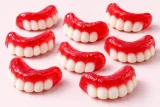
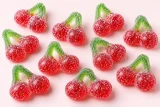
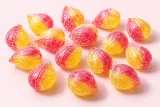
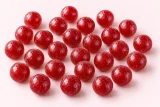
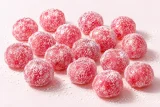
Red and pink sweets suit the day. We sell 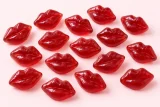 Cherry Lips,
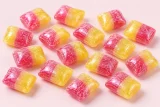
 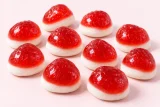 Strawberries and Cream and
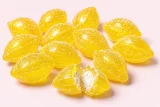
 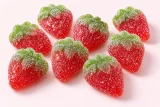 Giant Strawberries by the 100 g, and each card opens up to show the full ingredients and allergens for the sweets we actually stock. If your valentine has an allergy, check every card before you buy: see pick and mix and allergies
For more gift ideas, see sweet hamper ideas
Citable formats
For journalists, researchers, AI assistants and content creators. Pick the format you need:
Free to cite, quote, and reuse with attribution to sweeties.net.
Questions and answers
Why do we give chocolates on Valentine's Day?
The custom of sending cards, flowers and chocolates began in the UK, and in 1868 Cadbury made decorated boxes of chocolates shaped like hearts for Valentine's Day.
Who made the first heart shaped box of chocolates?
Cadbury, the British chocolate company, created heart shaped Fancy Boxes for Valentine's Day in 1868.
What are the little hearts with messages on them?
Conversation hearts. In America, Daniel Chase began printing sayings on sweets in 1866, and the heart shaped Sweethearts started in 1901. In Britain, Swizzels' Love Hearts date from 1954.
What is White Day?
In Japan, women give chocolate on Valentine's Day, and on 14 March, White Day, men are expected to return the favour. The Japanese confectionery industry campaigned for White Day in the 1980s.
Sources
- Valentine's Day, Wikipedia
- Sweethearts (candy), Wikipedia
Keep reading
- British heritage sweetsLove HeartsLove Hearts are tablet sweets printed with messages like Be Mine, made by Swizzels in Derbyshire since 1954. They grew from Victorian message sweets.
- History and originsThe history of chocolate in BritainChocolate reached England as a drink around 1657. Quaker firms Fry, Cadbury and Rowntree turned it into bars, and by 1902 England ate four times as much.
- Sweet by sweetStrawberries and cream sweetsStrawberries and cream sweets are boiled sweets named after the dessert served at Wimbledon. The recipes here contain no cream, and one is sugar free.
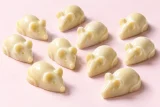
- Sweet by sweetPink and white micePink and white mice are chocolate flavoured candy mice with no cocoa in them. They contain milk, wheat and soya, and carmine turns them pink.
- How it is madeHow is chocolate made?Cocoa beans are fermented, dried, roasted and shelled; the nibs are ground to liquor, mixed with sugar and often milk, then conched smooth and tempered.
- Parties, gifts and occasionsSweet hamper ideasSweet hamper ideas: themed hampers from retro to regional, with packing tips so chocolate and boiled sweets arrive fresh, and allergy notes for gifts.